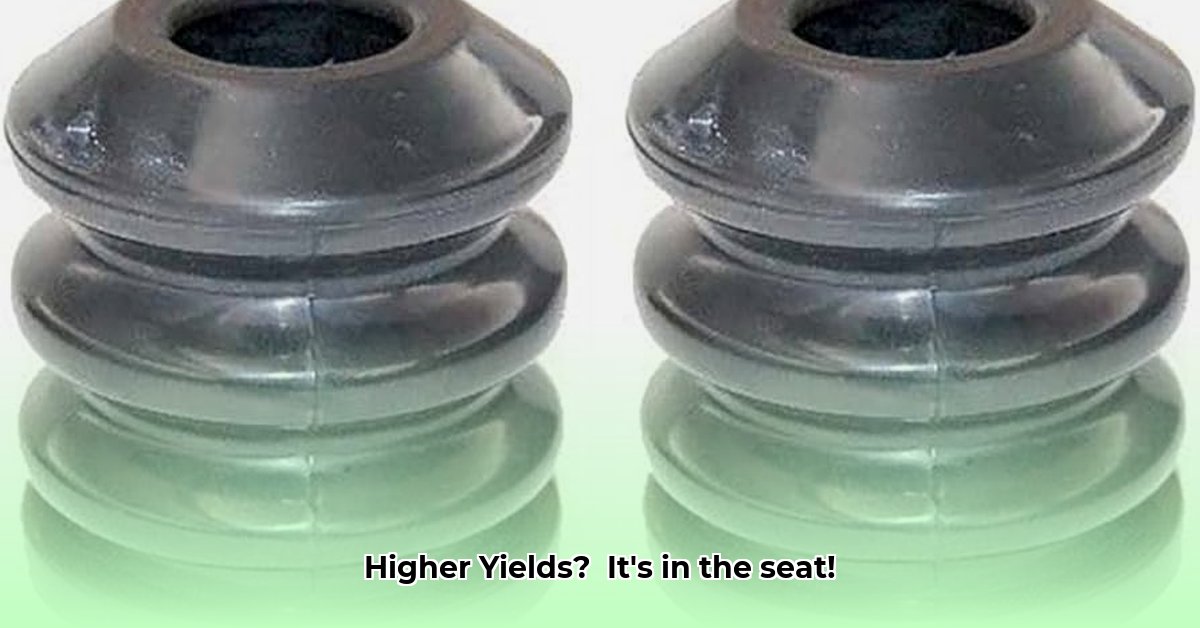
Tractor Seat Springs: The Foundation of a Comfortable and Productive Farming Life
Spending hours operating farm machinery can take a toll on your body. Back pain, fatigue, and injuries are common among farmers, significantly impacting productivity and overall well-being. But what if a simple upgrade could dramatically improve your comfort, boost your health, and increase your farm's profitability? The solution may lie in optimizing your tractor seat springs. This guide explores the crucial role of tractor seat springs in sustainable agriculture, outlining different types, maintenance strategies, and future trends to help you maximize efficiency and well-being. For more information on improving your tractor seat, check out this helpful resource.
Understanding the Importance of Tractor Seat Springs
Tractor seat springs act as shock absorbers, mitigating the jarring effects of uneven terrain and vibrations. This cushioning reduces fatigue and discomfort, allowing for longer, more productive workdays. The right springs are essential for maximizing operator comfort and efficiency, directly influencing the farm's overall productivity and profitability. Don't underestimate the impact of a well-designed and maintained seat spring system. How can a farmer effectively manage the demands of a long workday in less-than-ideal conditions? A high-quality tractor seat spring system is critical.
Exploring Different Types of Tractor Seat Springs
Several key types of tractor seat springs exist, each offering distinct advantages and disadvantages. Understanding these differences is crucial for making informed decisions based on your farming needs and budget.
| Spring Type | Advantages | Disadvantages | Best Suited For |
|---|---|---|---|
| Mechanical (Coil) | Durable, relatively inexpensive, easy to maintain, simple design. | Can feel stiff, less effective at absorbing high-frequency vibrations. | Lighter tractors, less demanding terrain, budget-conscious farmers. |
| Pneumatic (Air) | Excellent shock absorption, customizable comfort level, smooth ride. | Requires more maintenance (pressure checks), higher initial cost, risk of punctures. | Heavier tractors, rough terrain, farmers prioritizing comfort and shock absorption. |
| Hydraulic | Incredibly smooth ride, superior vibration damping, advanced responsiveness. | Most expensive option, complex maintenance requirements, may need specialized tools. | High-end tractors, demanding terrains, farmers with back problems, demanding conditions. |
The ideal spring type depends on factors such as the terrain you typically work on, the weight of your tractor, and your personal comfort preferences. For example, rough, rocky fields will benefit significantly from air or hydraulic springs, offering superior vibration dampening compared to coil springs.
The Interplay of Comfort, Productivity, and Tractor Seat Springs
Ergonomics isn't simply about comfort; it's directly tied to productivity. A comfortable seat reduces fatigue and discomfort, allowing you to maintain focus and efficiency throughout the day. This translates to fewer errors, increased output, and ultimately, higher yields. Investing in quality tractor seat springs is an investment in your health and the long-term success of your farm. Isn't it essential to prioritize the well-being of the farmer to enhance farm operations? Absolutely.
Maintaining Your Tractor Seat Springs: A Practical Guide
Regular maintenance is vital for extending the lifespan of your tractor seat springs and ensuring optimal performance. Follow these steps:
Regular Inspections: Inspect springs regularly for wear, tear, loose bolts, or damage. Addressing minor issues promptly prevents major problems later.
Lubrication: Lubricate moving parts as recommended in your tractor’s owner's manual to ensure smooth operation and prevent premature wear.
Pressure Checks (Pneumatic Springs): If using pneumatic springs, regularly check and adjust air pressure according to manufacturer specifications. Maintaining proper pressure is crucial for consistent comfort and support.
Professional Servicing: Seek professional help for extensive repairs or replacements. This ensures proper functionality and avoids potential safety hazards.
Proactive maintenance minimizes downtime and keeps your farm operations running smoothly. What can be more important than minimizing downtime to maintain farm yields? It's crucial.
The Future of Tractor Seat Springs: Innovation and Sustainability
Technological advancements are shaping the future of tractor seat springs. “Smart” seating systems, incorporating sensors and actuators, offer adaptive support based on operator posture and terrain. While currently expensive, these systems promise enhanced comfort, reduced fatigue, and increased productivity. Moreover, sustainable materials are becoming increasingly prevalent, reducing the environmental impact of tractor seat manufacturing and disposal. How might technology increase both farm efficiency and farmer well-being in the near future? These advancements are paving the way.
Investing in a Sustainable Farming Future
Investing in superior tractor seat springs isn't just about improving comfort—it's a cornerstone of sustainable farming. Prioritizing operator well-being and equipment efficiency is fundamental for long-term farm success. By prioritizing both comfort and productivity, you're making a sound investment in your farm's future. A comfortable and healthy farmer translates directly into a prosperous and sustainable farm operation.